

Pond & Lake Colorants
- Home
- Pond & Lake Colorants

 ISO 9001: 2008 Certified
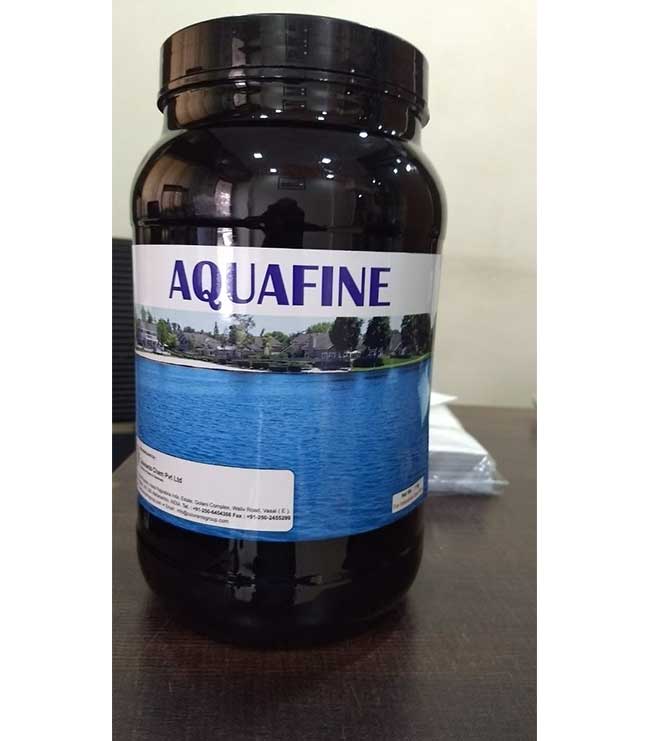
Pond and lake colorants are blended formulations of watersoluble dyes and inert ingredients. They are designed colour for use in lakes&ponds, decorative water features and other impounded bodies of water with limited outflow. Lake and pond colours beautify murky, cloudy or discoloured water with pleasing and natural tints. We have authorization and certification for manufacturers, suppliers and exporters of pond and lake colorants in Gujarat, India to whole globe with industrial features and surety of purity. We offer in flexible price to overseas as per the international specifications.
Blue gives a pleasing, natural aqua-blue tint to lakes and ponds. Similarly, Black gives water a glassy, mirrored appearance. Both products are safe to be used around humans and wildlife when applied as directed. Our Pond & Lake colours are 100% Eco friendly.
Pond colorants are water-soluble dyes used to tint pond and lake water blue, green or black for appearance and to reduce sunlight penetration, which can help limit algae and underwater weed growth.
Colorants Chem Private Limited manufactures and exports pond and lake colorants from Vasai, Maharashtra, India.
To choose safe colorants for ponds and lakes, use aquatic-grade, water-soluble dyes that are labelled for pond use, have an SDS and contain no heavy metals or biocides. Do not use textile or industrial dyes.
Choose a pond dye shade based on the look you want, the pond's depth, bottom colour and surroundings. Blue gives a clean, sky-like look, green looks natural, and darker tones look deep and reflective.
Aquatic-grade pond colorants are generally used safely with fish and aquatic plants at the recommended dosage, but overdosing or using non-aquatic dyes can cause harm. Always follow the product SDS and label.
To colour pond water blue, add a blue pond dye; to colour it green, blend blue and yellow dyes. Dilute the dye, apply evenly and add gradually until you reach the shade.
Pond dye generally lasts from a few weeks to a couple of months, depending on sunlight, rain, water flow and the pond's size. Ponds with more inflow or outflow need more frequent reapplication.
Yes. Pond colorants are commonly used in fountains, golf course ponds, reflecting pools and landscaping water features to give a consistent colour.
Pond colorants should not be used in drinking-water sources, and use in swimming or irrigation water depends on local regulations and the product's approvals. Check with local authorities before use.
Recommended pond dye dosage is usually in the low parts-per-million range and depends on pond volume and the product's concentration. Start with the dose on the label and add gradually.
Pond colour fades faster than expected mainly because of strong sunlight, dilution from rain or water flow, sediment and organic matter absorbing the dye, and oxidising chemicals.
